Book Categories:
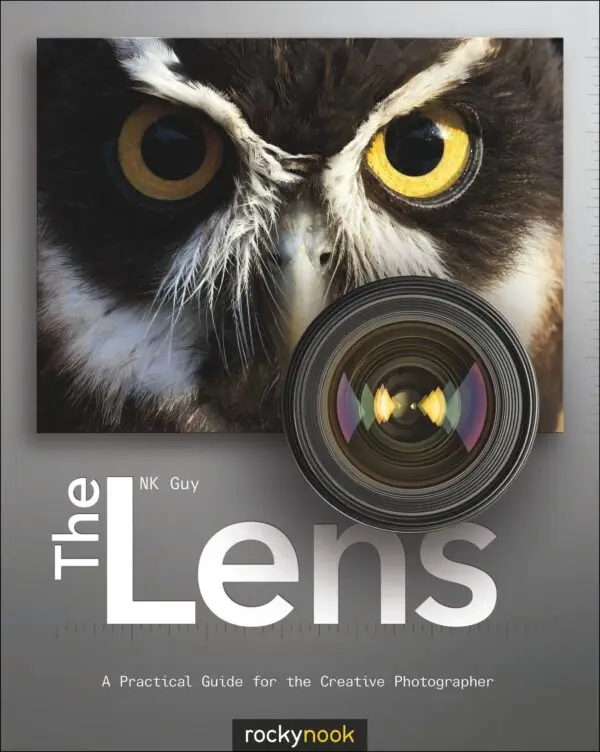

The Lens
A Practical Guide for the Creative Photographer
NK Guy
Price range: $35.99 through $54.95
Which lens should I buy for my camera?
It’s such a simple question, but choosing the right lens or lenses is actually one of the most important photographic decisions you can make. Nothing affects the quality of a photo more than the lens. It's no longer just about the megapixels—it's...
Read More
Read More
Coming Soon! This book has not yet been published.
| BOOK AUTHOR | NK Guy |
|---|---|
| PAGE COUNT | 320 pages |
| TRIM SIZE | 8 x 10in |
| COVER | Soft Cover |
| ISBN | 978-1-933952-97-0 |
| PUBLISH DATE | 10/2012 |
1 review for The Lens
You may also like…

David Buschs Nikon D7200 Guide to Digital SLR Photography
Price range: $31.99 through $49.95
Select options
This product has multiple variants. The options may be chosen on the product page

Mastering the Nikon D750
$31.99
Select options
This product has multiple variants. The options may be chosen on the product page

David Buschs Sony Alpha a77 II/ILCA-77M2 Guide to Digital Photography
Price range: $31.99 through $49.95
Select options
This product has multiple variants. The options may be chosen on the product page

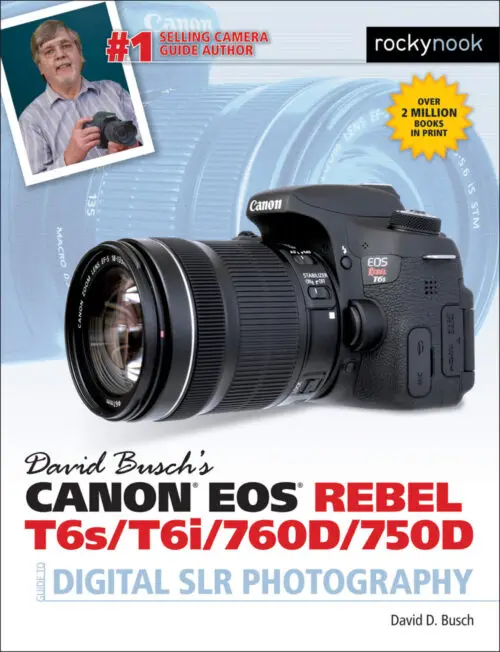
David Buschs Canon EOS Rebel T6s/T6i/760D/750D Guide to Digital SLR Photography
Price range: $31.99 through $49.95
Select options
This product has multiple variants. The options may be chosen on the product page
Related products

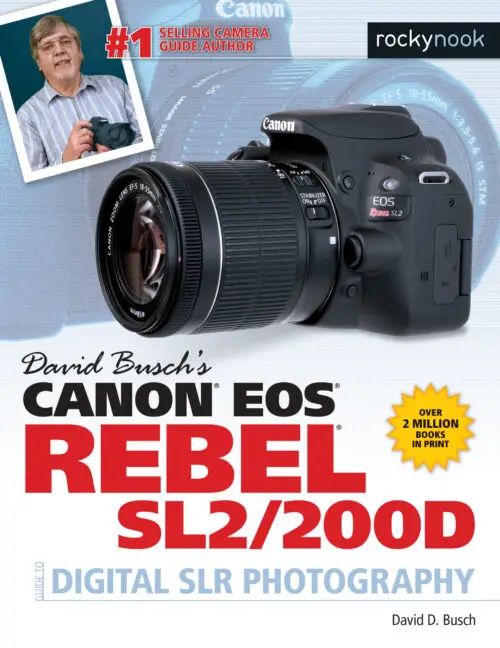
David Busch’s Canon EOS Rebel SL2/200D Guide to Digital SLR Photography
Price range: $31.99 through $49.99
Select options
This product has multiple variants. The options may be chosen on the product page

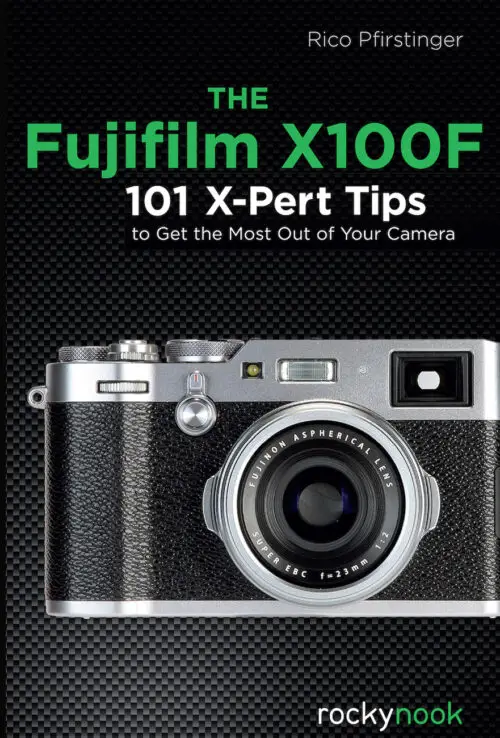
The Fujifilm X100F
Price range: $22.99 through $34.99
Select options
This product has multiple variants. The options may be chosen on the product page

The Enthusiast’s Guide to Night and Low-Light Photography
Price range: $19.99 through $34.99
Select options
This product has multiple variants. The options may be chosen on the product page

The Enthusiast’s Guide to DIY Photography
Price range: $19.99 through $34.99
Select options
This product has multiple variants. The options may be chosen on the product page

The Enthusiast’s Guide to Lightroom
Price range: $19.99 through $34.99
Select options
This product has multiple variants. The options may be chosen on the product page

The Enthusiast’s Guide to iPhone Photography
Price range: $19.99 through $34.99
Select options
This product has multiple variants. The options may be chosen on the product page
wepsphoto (verified owner) –
NK Guy’s The Lens is, without question, one of the best books about technical photography that I have ever had the pleasure to read.
The title says it all- this book is about camera lenses. Guy begins with chapters on optics, the physics of light and how the camera lens works to best deliver an image to film or sensor. He next takes lenses apart, describing the mechanisms by which they work and the varied designs, past and present, that manufacturers have employed to enhance and differentiate their products. Lens and accessory choices are considered next, with an unbiased and honest approach to help the photographer most wisely invest in what is required for the desired results. Guy’s book concludes with advanced topics that are exquisitely pragmatic- touching on topics that help to differentiate quality of lenses (coatings, aberration, bokeh, etc.) specialty lenses (tilt and shift, mirror, etc.) and the very important decision of whether to purchase used lenses and, if you choose to, how to evaluate them (for sharpness, fungal growth, and scratches).
Guy’s greatest strength as an author is his ability to ascertain what a photographer really needs to know about lenses and, without ever down-talking, building a strong foundation of knowledge from the most basic to a truly thorough understanding about lenses, how they work, how they differ, and how to evaluate your own photographic needs. Guy does not hesitate to discuss brand names and objectively consider various manufacturers’ methods (I never realized that Canon telephotos were white so as to stay cooler due to temperature-sensitive coatings).
The appendices include the treasure of breaking down the various lens mount systems and manufacturer terms- it’s something of a translation dictionary that allows the deciphering of each company’s unique abbreviations and trade terms to be understood for what they really mean. This is a must-read for anyone looking to figure out the plethora of codes used in lens labeling.
In summary, this is a must read for the serious photographer. My only hope is that the book, published in 2012, will be updated every few years to reflect the current technologies and manufacturer specs, making it both a handbook and buying guide relevant into the future.